
An unusual chapter in H. H. Nininger’s life was the “Natural History Trek,” which he led while teaching at McPherson College. Almost unheard of at the time, the program allowed students to receive college credit for fieldwork while traveling across the country. For Nininger, it also provided an opportunity to learn more about meteorites and to test his developing ideas about their recovery.
In August 1927, thirteen students set out with Nininger and his family of five—his children were then eight, five, and two years old. The Trek lasted 36 weeks, covered some 19,000 miles, and stretched from coast to coast.
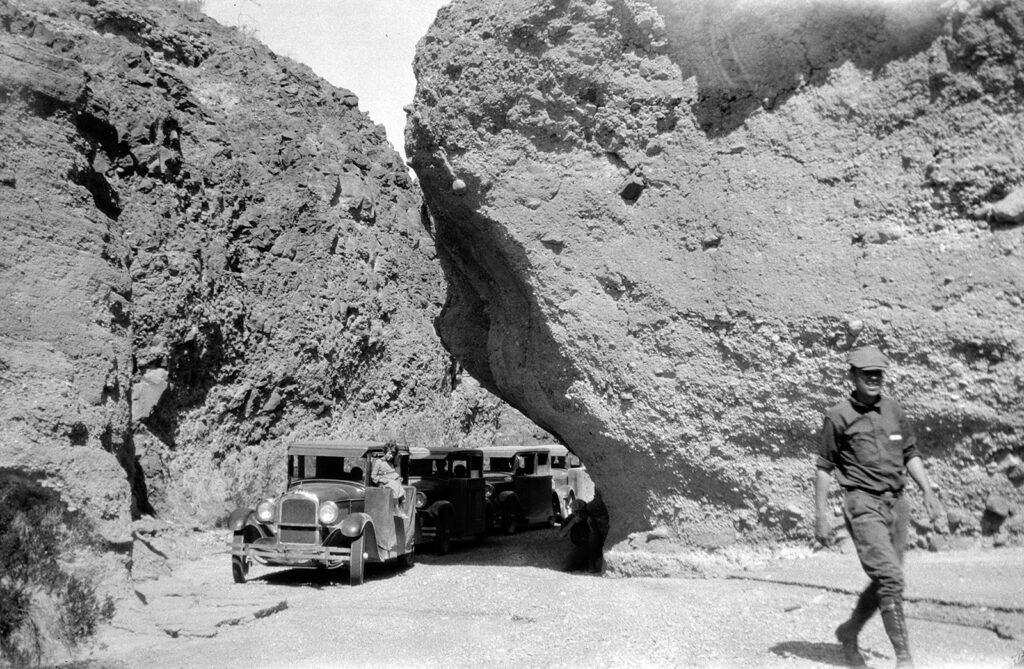
Along the way, Nininger visited and examined many of the major meteorite collections in the United States. The journey also gave him opportunities to pursue meteorites himself.
While the group was in Arizona, Nininger and student Alex Richards made a side trip to Cananea, Mexico. There they made contact with a local resident who owned a 68-pound specimen of the Arispe meteorite. Nininger was able to purchase it with, as he later recalled, “practically my last dollar.”
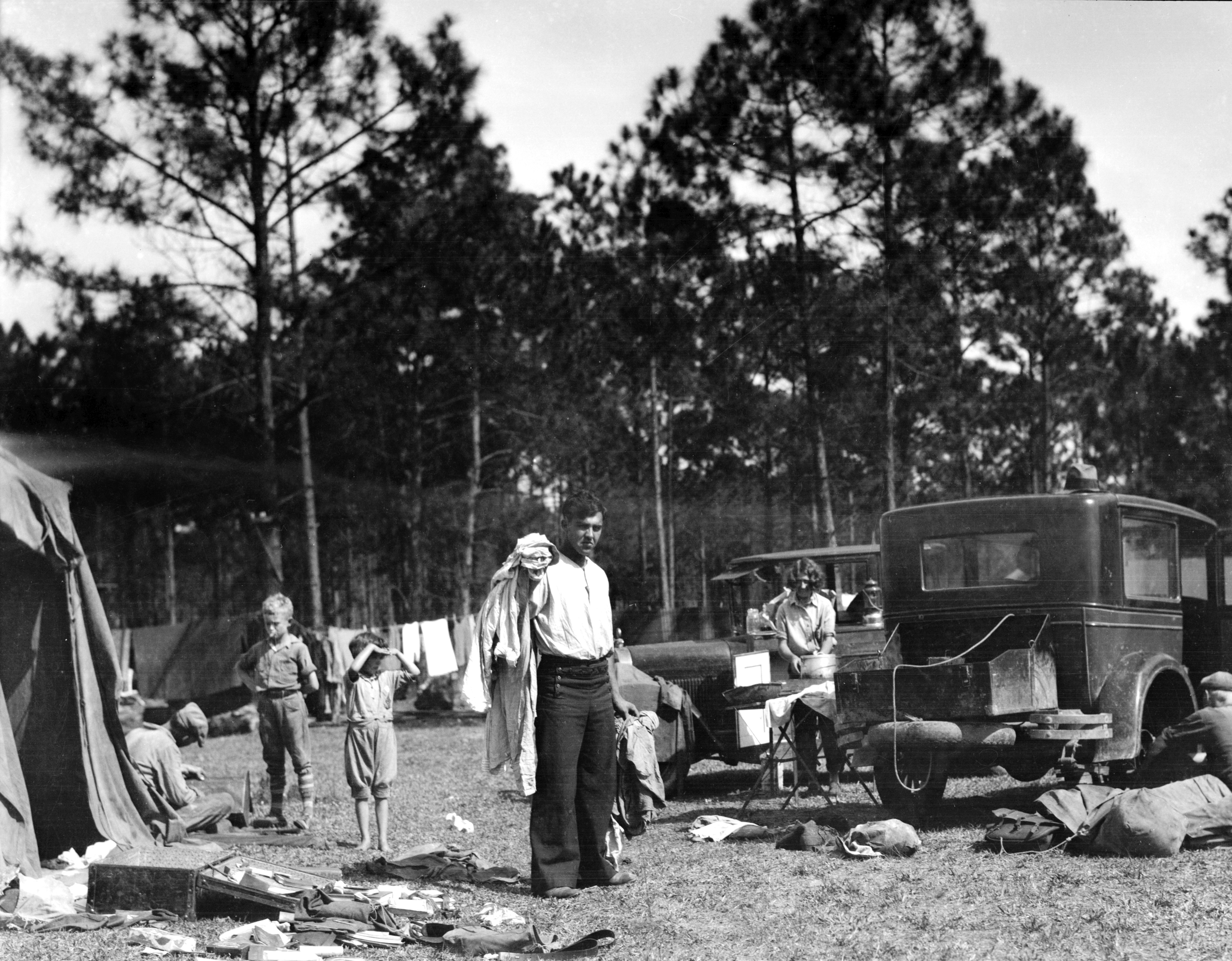
One memorable stop on the Trek was Carlsbad Caverns in New Mexico, then only crudely developed and closely associated with Jim White, its early explorer. The students’ journey combined education, fieldwork, travel, and adventure on a scale that was remarkable for a college program of the period.

The Natural History Trek was more than an unusual educational experiment. It came during the formative years of Nininger’s work with meteorites, giving him the opportunity to study collections, make contacts, acquire specimens, and gain experience that would help shape the career that followed.
The Natural History Trek and Nininger’s early meteorite adventures are told in greater detail in In Search of Falling Stars.